
Self-Adjusting Valve Trays for a Wide Operating Range
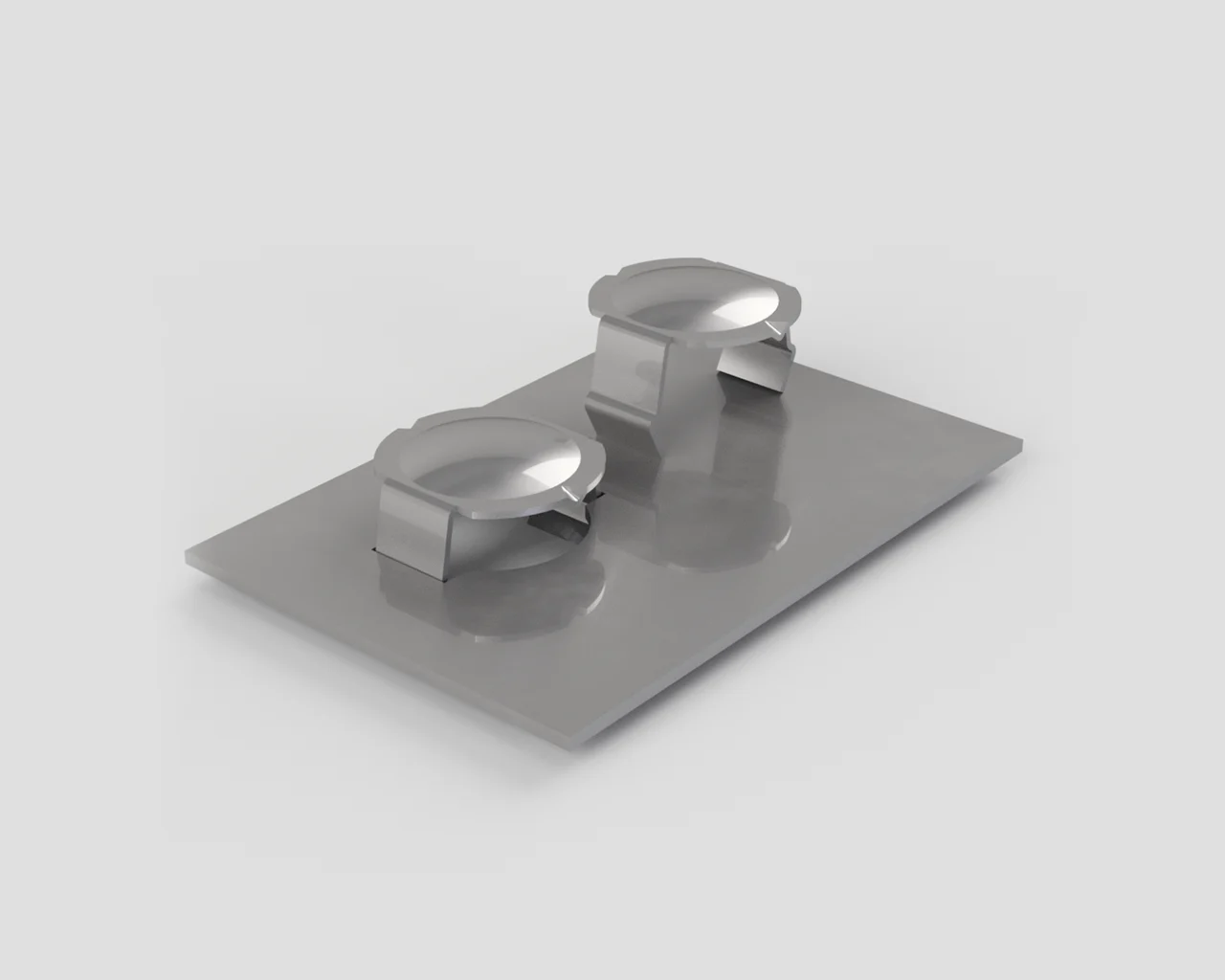
Floating Valve Trays use movable valves positioned over openings in the tray deck to regulate vapour flow into the liquid above. As vapour loading increases, the valves rise to provide additional open area; as the vapour rate decreases, the valves move closer to the tray deck, restricting the opening and helping maintain sufficient vapour velocity through the valve.
This self-adjusting action allows Floating Valve Trays to maintain effective vapour-liquid contact across a wider operating range than conventional sieve or fixed valve trays. At lower vapour rates, the reduced valve opening helps limit liquid weeping through the tray deck, while at higher rates the valves lift to provide the additional flow area required for increased vapour capacity.
Vapour discharged beneath and around the valves creates mixing within the liquid layer, providing the phase contact required for efficient mass transfer. The combination of good hydraulic capacity, operating flexibility, and reliable separation performance makes Floating Valve Trays a versatile choice for distillation, absorption, and stripping applications.
Floating Valve Trays can be designed to suit the required column diameter, vapour and liquid loads, tray spacing, downcomer configuration, and operating range. They can be supplied for new columns, revamps, capacity upgrades, or as replacement trays for existing equipment.