Processes and Applications

Inlet Separator & Slug Catcher

First-stage separation on a gas plant inlet, handling surging liquid and solids without upsetting downstream.

The duty
The vessel that absorbs whatever the pipeline delivers — gas, condensate, water, sand, and the occasional large liquid slug.

The inlet facility takes whatever the pipeline delivers — gas, condensate, water, sand, and occasionally a large liquid slug when flow conditions change. Everything downstream depends on this vessel absorbing that variability.

The design case is rarely the average flow. It is the slug: how much liquid can arrive at once, and whether the vessel can take it without carrying over or shutting the plant down.

equipment for this application

Field proven hardware, engineered to last

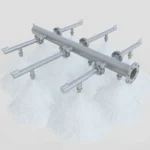
Spray nozzle distributor with multiple spray nozzles

Spray Nozzle Distributor

Spray Nozzle Distributors use a pressure-fed header and nozzle arrangement to provide controlled liquid coverage across packed beds and process vessels. Nozzle type, spray angle, spacing, and orientation are selected for the required duty, making them particularly suited to irrigation, scrubbing, washing, cooling, and quench applications.

Explore ➔

Random packing bed limiter with mesh grid

Random Packing Bed Limiter

Random Packing Bed Limiters are installed above the packed bed to prevent packing elements from lifting or becoming displaced during operation. Their open-grid construction securely retains the packing without unnecessary compression while providing a high free area for unrestricted gas and liquid flow through the column.

Explore ➔

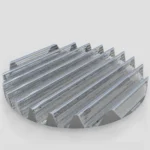
Random packing support plate with radial beam profile.

Random Packing Support Plate #1

Random Packing Support Plates form the structural base of a packed bed, carrying the weight of the packing and retained liquid while providing a high open area for counter-current gas and liquid flow. The support geometry retains the packing without unnecessarily restricting flow or increasing pressure drop through the column.

Explore ➔

From the knowledge base

Knowledge for this application