ROSEPAK™ Structured Packing

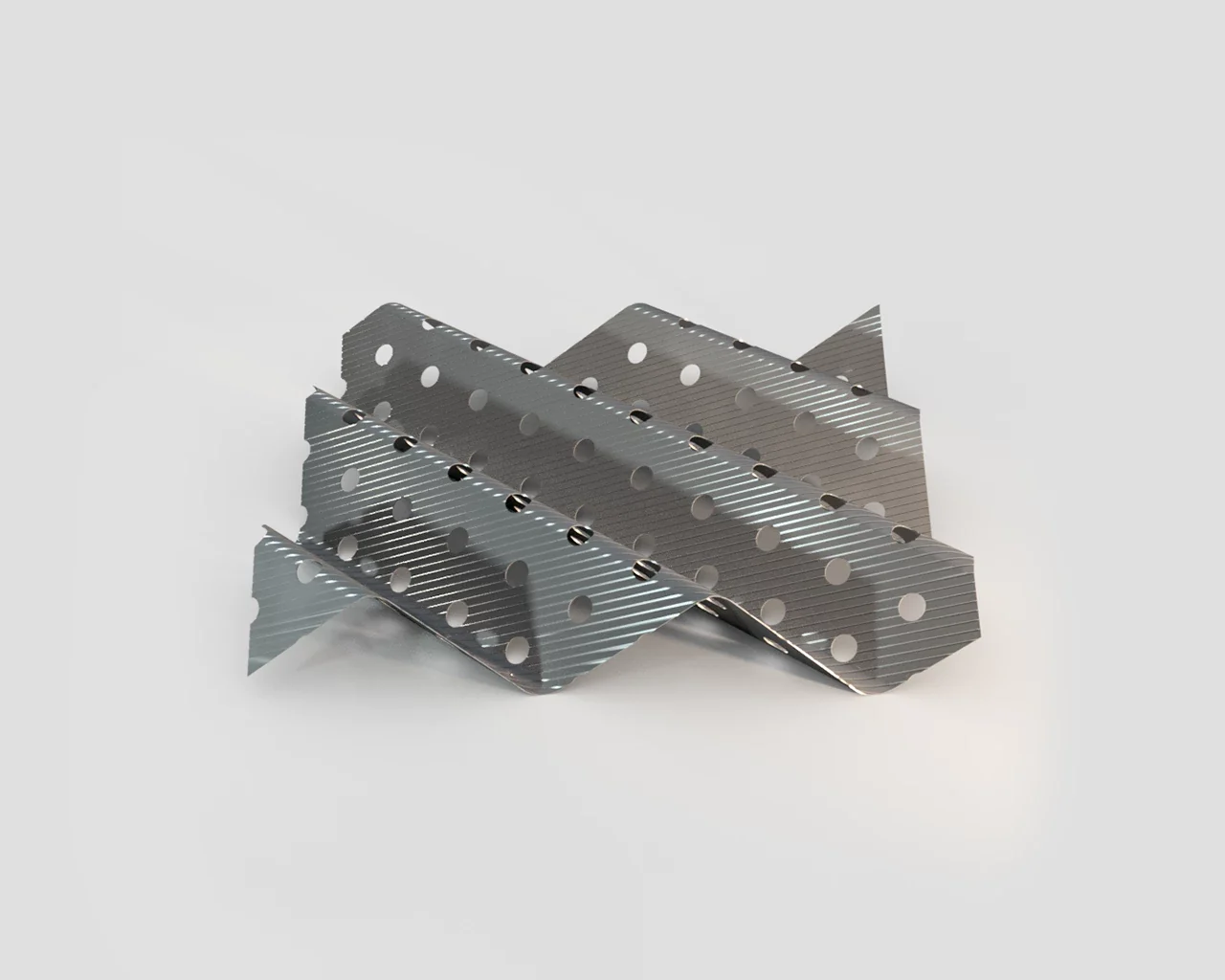
ROSEPAK™ Structured Packing uses corrugated sheet geometry to create uniform flow channels that maximise gas-liquid contact while maintaining exceptionally low pressure drop. It is ideal for vacuum distillation, close-boiling separations, and high-efficiency mass transfer applications where capacity and energy savings are critical.

Request a quote

Interested in a quote?  

Typically a same-day response from our engineering team.

Corrugated Structured Packing for High-Efficiency Mass Transfer

ROSEPAK™ Structured Packing is designed to maximise mass transfer efficiency while maintaining exceptionally low pressure drop. Formed from precisely arranged corrugated sheets, the structured geometry creates uniform flow channels that promote intimate contact between the gas and liquid phases, resulting in efficient separation and excellent hydraulic performance.

The alternating corrugation pattern encourages even liquid distribution across the packing surface while providing an open flow path for vapour. This combination of high effective surface area and low flow resistance allows ROSEPAK™ to achieve high separation efficiency, increased column capacity, and reduced energy consumption compared with conventional random packing.

ROSEPAK™ is particularly suited to vacuum distillation, close-boiling separations, heat-sensitive products, and applications where minimising pressure drop is critical. It is widely used in the refining, petrochemical, chemical, gas processing, and pharmaceutical industries, and is available for both new process columns and tower revamp projects.

Learn Before you buy

Knowledge for this product

Case Study

Fractionator Tower Valve Tray Replacement

Rosenberg engineered and supplied 12 replacement 410S stainless steel valve trays for a 3,200 mm ID Fractionator Tower at Neste’s Porvoo Refinery in Finland, supporting the continued performance of the existing column.

Explore

Video

Structured Packing Explainer Video

In this video, we explain how structured packing works, how liquid and vapor flow through the packing layers, and why it is widely used in chemical, petrochemical, oil & gas, and environmental processing industries. Learn about its key advantages, including high capacity, excellent separation performance, and energy-efficient operation.

Explore