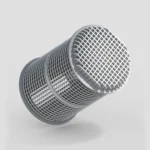
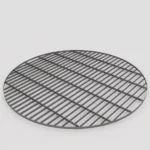
Trickle-bed reactor internals that keep liquid and gas evenly distributed over the catalyst, and quench fully mixed between beds.
In a trickle-bed reactor, liquid and gas flow down together over the catalyst. Conversion depends on every part of the bed seeing the same flow — any maldistribution means some catalyst is starved while other regions run hot.
Between beds, quench internals inject cold hydrogen and must mix it completely before the fluid reaches the next bed. Poor mixing shows up as a radial temperature spread, which shortens catalyst life and can limit the whole run.